

Mexico’s failure to address the true toll of the COVID-19 pandemic
Published: 31 December 2025
Volume 4
Abstract
This study retrospectively analyzes the organizational handling of the COVID-19 pandemic by Mexico’s health authorities, from its outbreak in February 2020 to the final phase of the pandemic. The analysis begins with the undercounting of infected persons and deaths, which led to distorted figures and an abnormally high case fatality rate. The underestimation is examined separately for infections, deaths, and case fatality rates. The number of infected persons was affected by insufficient COVID-19 testing and restrictions on hospitalization. Death figures were evaluated by comparing mortality trends observed during the five years preceding the outbreak with the postpandemic data disaggregated by cause of death. These data were first collected by health authorities, reviewed by the Interinstitutional Group for the Estimation of Excess Mortality (GIEM, in Spanish), and later consolidated by the National Institute of Statistics and Geography (INEGI, in Spanish). The case fatality rate was calculated as the relationship between both variables on the basis of the original figures published by health authorities. After different calculation methods were explored, a more plausible estimate of the real COVID-19 death toll was established. Despite the need to correct the initial figures, the official database has not been updated. This lack of correction misinforms the public about the real impact of COVID-19 and risks leading the health system to repeat the statistical and organizational failures observed during the pandemic, potentially underestimating future health emergencies.
Keywords
COVID-19; Fatality rate; Undercounting; Excess mortality
1. Introduction
The COVID-19 pandemic has severely tested the accuracy, transparency, and responsiveness of national health information systems worldwide. In Mexico, the recording and reporting of COVID-19 deaths and infections has become a particularly controversial issue. During the pandemic, day-to-day information on cases and deaths was compiled to form an official database that remained largely unchanged even after methodological issues related to how infections and causes of death were captured were identified. These inconsistencies contributed to widespread concerns that the official figures substantially underestimated the true scale of the pandemic in the country.
During the pandemic, Mexico had almost 128 million inhabitants, making it the tenth most populous country in the world [1]. The nation’s public health system was undergoing major restructuring following the change in the government in December 2018. The new administration implemented budgetary reforms that significantly affected the quality and efficiency of health services. This context likely compounded the challenges of accurate disease surveillance and reporting during the crisis.
The underreporting of both infections and deaths resulted in an unusually high case fatality rate, suggesting that inaccuracies in data collection were not uniform. Two key institutions were responsible for verifying and correcting health statistics: the National Institute of Statistics and Geography (INEGI, in Spanish), which oversees death certificate verification, and the Interinstitutional Group for the Estimation of Excess Mortality from All Causes during the COVID-19 Emergency (GIEM, in Spanish). The latter included ten national institutions and the Pan American Health Organization (PAHO). Despite their involvement, the official database was not revised, resulting in significant uncertainty regarding the pandemic’s real impact.
Understanding this discrepancy is crucial for two main reasons. First, it is essential for citizens and policymakers to know the true death toll of COVID-19 during its most critical phases. Second, it is important to identify the social and health characteristics of populations most vulnerable to SARS-CoV-2 infection to strengthen public health systems, implement effective preventive measures, and avoid similar statistical and institutional failures in future crises.
Therefore, the objective of this study was to analyze the accuracy of Mexico’s reported COVID-19 deaths and infections between the outbreak in February 2020 and the end of the pandemic in the second quarter of 2023. The study hypothesizes that there is a significant lack of precision in reported data on COVID-19 deaths, infections, and case fatality rates, despite opportunities for correction through institutional review.
2. Methodology and sources of information
The methodology used to evaluate the three series under consideration was based on longitudinal descriptive statistics and international comparative performance via Pearson’s correlation coefficients. The case undercounting was analyzed by comparing the figures each country exhibited regarding the number of tests applied to determine the presence of the virus, with Mexico being one of those lagging, leading to obvious consequences for COVID-19 diagnostics. Excess mortality quantification was carried out by comparing the difference between the total death tendency during the period of analysis (i.e., the mortality that would be expected on the basis of a noncrisis mortality rate) and the observed mortality [2]. Since 2020, the latter, as reported by the INEGI after reviewing the data with the GIEM, includes all confirmed COVID-19 deaths. In this context, the fatality rate was calculated by dividing the number of COVID-19 deaths by the number of COVID-19 cases.
Officially, in addition to COVID-19, other causes of excess mortality include road accidents, unexpected temporary diseases, and fortuitous causes. Specifically, INEGI and GIEM did not explore pneumonia and influenza as masked COVID-19 cases, although they increased significantly during the pandemic period, and the spikes clearly correlated with those from COVID-19 [3]. Even though they represent a small part, this study considers that such excess mortalities should be added to that of COVID-19. Therefore, the excess mortality from COVID-19 is calculated here as the difference between the expected deaths according to their trend from 2015-2019 and those observed from January 2020-December 2022, adding the number of deaths from pneumonia and influenza. Both differences are depicted in Figure 1 and will be referred to at the end of the paper, where an expansion factor (the factor by which the reported COVID-19 cases should be multiplied to have a clearer picture of the total deaths that the pandemic caused in the country) is used.
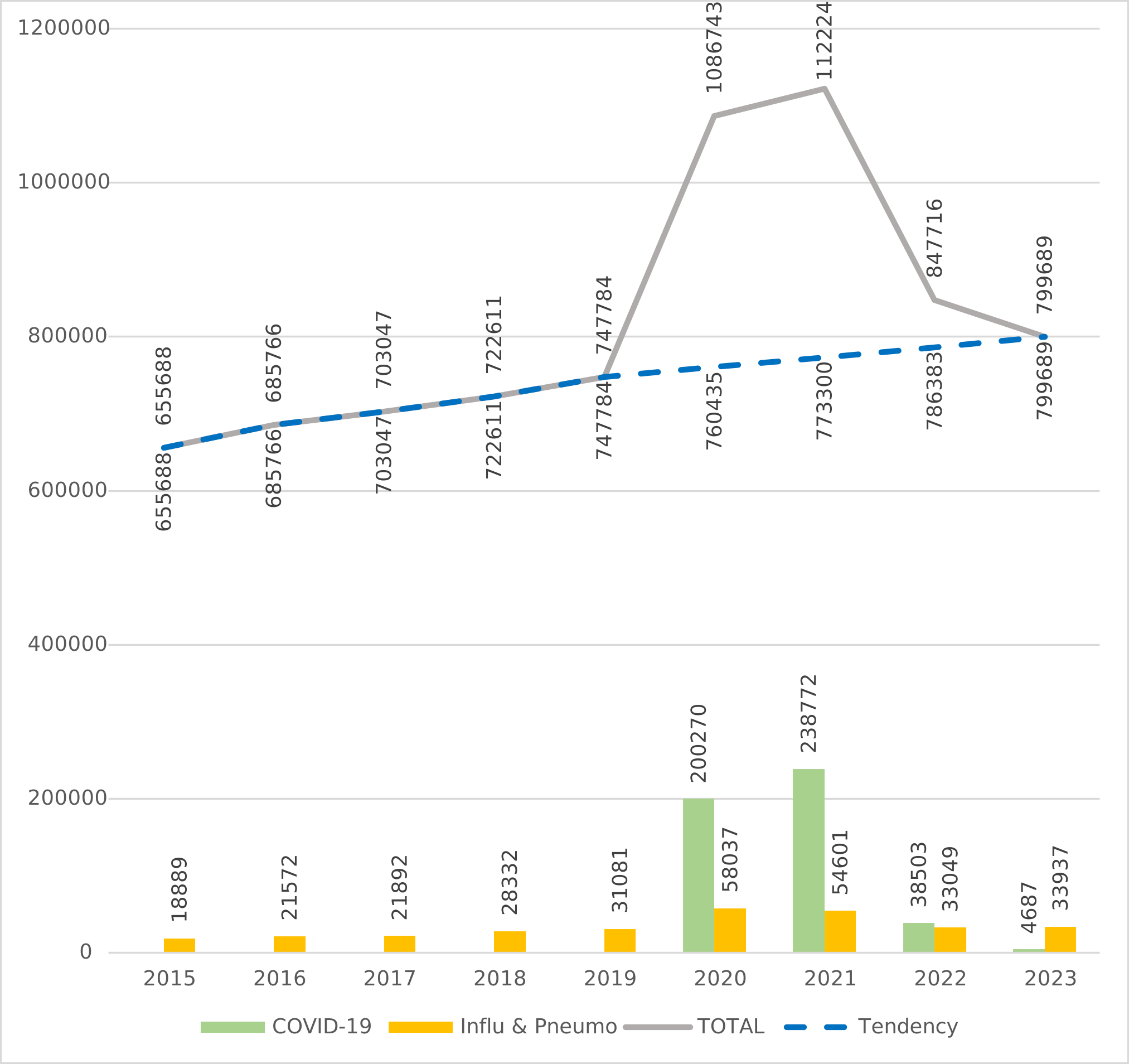
Figure 1. Trends in all-cause mortality and officially reported COVID-19, influenza, and pneumonia deaths in Mexico, 2015–2023 [3].
To make this clear, the figures of the Ministry of Health of Mexico (SSA, in Spanish) [4,5], which are by far the most relevant for COVID-19 purposes, were compared with those of excess mortality presented initially by SSA [6] and GIEM [7], passing finally to INEGI [3,8], where they became official. This is because INEGI has the constitutional mandate to elaborate and disseminate most of the national statistics as part of the National Information System. This means that the longitudinal comparative process carried out here implies a confrontation between the SSA day-to-day COVID-19 statistics and those on excess mortality published by INEGI.
In addition to the SSA [4,5], the day-to-day sources of information are the National Council of Science and Technology [9] for some consolidated data and the World Health Organization (WHO) COVID-19 Dashboard [10] and the Dashboard by the Center for Systems Science Engineering (CSSE) of Johns Hopkins University [11] for international data.
3. Results and discussion
3.1. Evidence of case and mortality undercounting and a distorted relationship between them
This section aims to present evidence suggesting that COVID-19 cases and the death toll were undercounted, recognizing that while it was a generalized problem in many countries [12], particularly developing countries, it was exacerbated in Mexico [13]. Additionally, it intends to demonstrate the circumstances that allowed cases to be less scrutinized than the death toll and shows that Mexico has one of the highest case fatality rates in the world, including both developed and developing countries. Finally, it presents a proposal to estimate what the death toll would have been, along with the underlying expansion factor. This factor departs from the official COVID-19 death toll agreed upon by SSA, GIEM, and INEGI and expands it by incorporating the excess mortality figures related to COVID-19, pneumonia, and influenza from 2020-2023 officially disclosed by INEGI.
3.1.1. Cases
It was evident from the outset that there was a problem of underestimation of both international [11,12] and national cases [9,14,15,16], as well as the death toll. In Mexico, undercounting occurred as health authorities ordered that individuals possibly infected with COVID-19 be registered in a hospital within the national hospital network, which consisted of 475 units throughout the country, known as Viral Respiratory Disease Monitor Health Units (USMERs, in Spanish). However, to be admitted to one of them, the patient's relatives were required to have a positive test issued by a recognized laboratory. Mexico was the country with the fewest number of tests issued in relation to its population out of the 17 countries with more than 100 thousand deaths (sometimes information about China is not available; otherwise, 18) [17]. This was not only due to the administrative process described but also because the tests were costly and had to be covered by the patient’s family. As Figure 2 shows, the relationship between the number of tests per 1000 persons in Mexico and the worst period from the beginning of the pandemic until February 15, 2022, was 0.12. The figure was lower than those of Peru (0.86), Argentina (0.78), Brazil (0.34), India (0.55), Iran (0.55), Ukraine (0.51), and South Africa (0.41). When Pearson’s correlation coefficient is applied to the variable tests and population, the figure is 0.68547 for the whole sample, implying that as the population of a country increases, so should the number of tests. This simply did not happen in Mexico.
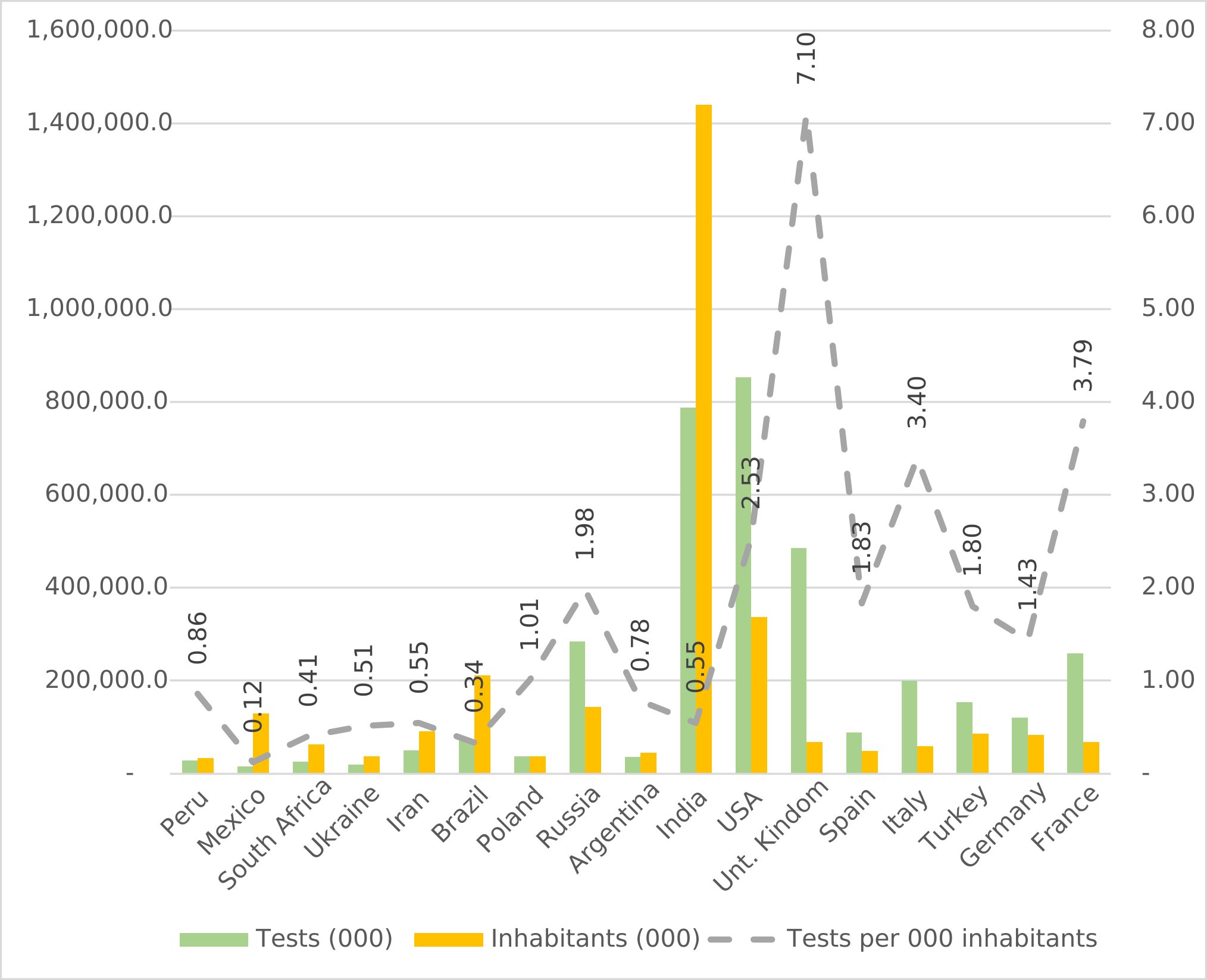
Figure 2. COVID-19 testing intensity measured as tests per 1,000 inhabitants in selected countries during the worst phase of the pandemic, up to February 15, 2022 [1,11].
Transferring patients in precarious conditions at the expense of their own lives and paying for the use of an ambulance during a period when the prices of that service, as well as those of private hospitals and support services, particularly personnel, oxygen, and medicines, had risen extraordinarily owing to the acute phases of the pandemic (April 2020-March 2022), was almost impossible for most families in Mexico [18]. Of course, the patients and their families who sought in-home attendance without registration in the hospital system and then without an official document did not leave traces about their condition. Globally, this period coincided with four well-documented waves of COVID-19, characterized by successive surges in transmission linked to new viral variants and changing containment measures [19]. The fourth wave, beginning in late 2021, represented the most intense increase in global case numbers, placing renewed pressure on already weakened national health systems, including Mexico’s [20]. To reinforce their inertial view on this issue, the sanitary authorities calculated that, in the absence of a vaccine, 80% of Mexicans would develop the disease but not to the point of becoming sick, i.e., they would reach natural "herd immunity". On the other hand, 15% would be infected and develop symptoms, 5% would become sick, 1.5% would enter a hospital, 0.4% would be intubated, of which half would not survive—and 0.15% would die [13,21].
3.1.2. The death toll and fatality rate
Owing to de facto restrictions on attending public hospitals, most families choose to follow the instructions of the official telephone support line and, ultimately, those of their family doctor, who generally keep the patient at home under total isolation, take extreme care and use an oxygen appliance [22]. If a person died, the death certificate was established as the cause of "atypical pneumonia," "acute respiratory disease," or "possible COVID-19." There was no certainty that when the death certificate was released, COVID-19 was the cause of death [23]. The official protocol states that if a person is admitted to a USMER, a clinical diagnosis would be carried out to classify the case as either acute ambulatory respiratory infection (ARI) or severe acute respiratory infection (SARI), and only in the latter case would the person be hospitalized [4,5].
By early 2025, Mexico ranked 19th in reported cases and 13th in the sample shown in Figure 3, lagging countries with smaller populations such as Germany, France, Spain, Italy, the United Kingdom, Iran, and Argentina. However, Mexico is the 5th country in terms of deaths, following the USA, Brazil, India, and Russia. Generally, as the number of cases increases, so do the number of deaths. For the sample, the Pearson’s correlation coefficient is 0.85079. However, when only the less developed countries of the sample are considered, excluding Brazil, the correlation coefficient decreases to 0.176609, although not necessarily for the same reason.
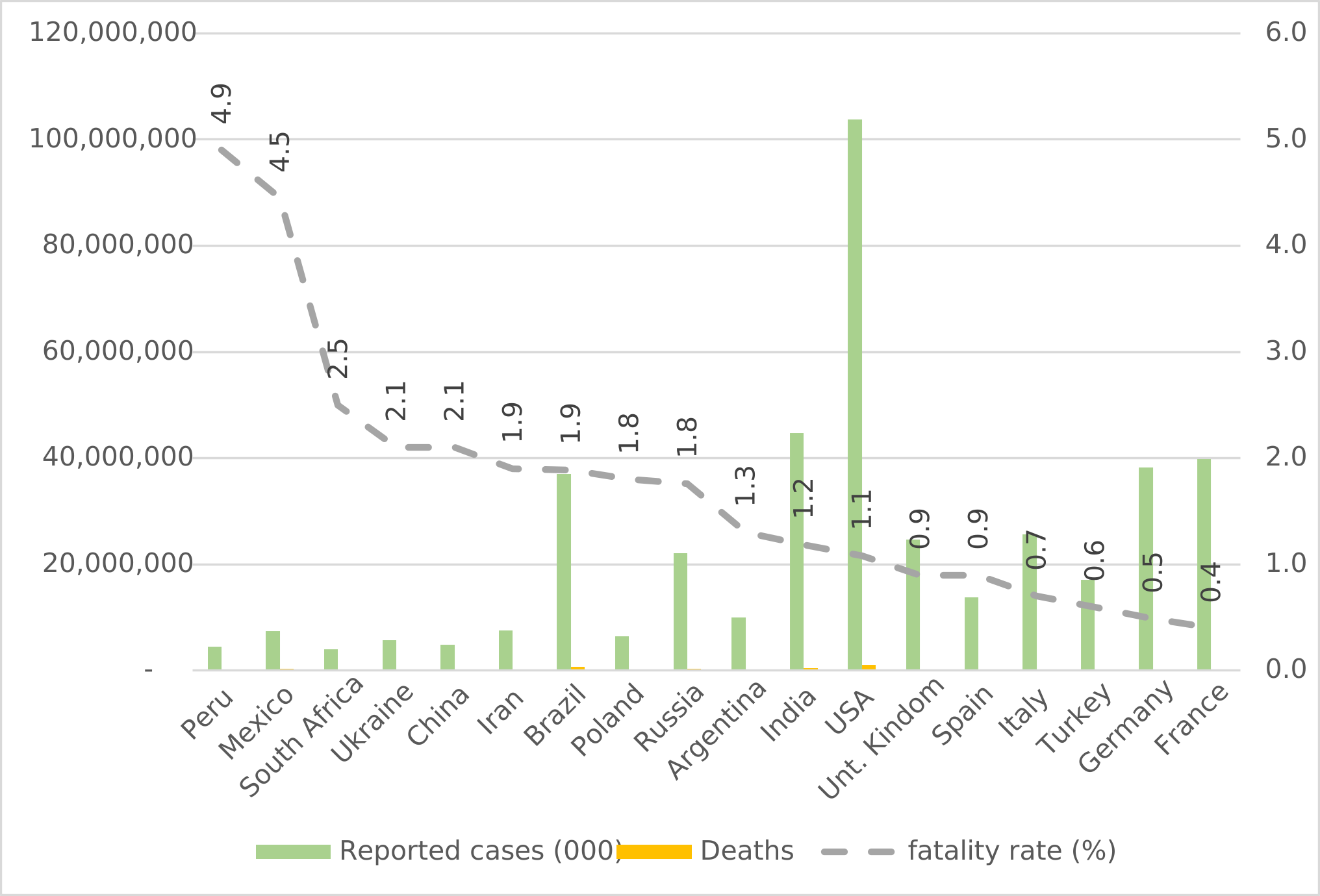
Figure 3. Reported COVID-19 cases, deaths, and cumulative case fatality rates in selected countries as of March 10, 2023 [11].
If population is considered, the countries with the lowest ratios of reported cases to the population are Mexico, South Africa, and India, as shown in Figure 4. The main reasons for this are undercounting of cases, overcounting of deaths, or a combination of both. For Mexico, the main issue is undercounting of cases in a greater proportion than deaths, as undercounting was less regulated for people who had contracted the disease and were kept outside the sanitary system than for those who died. The cause of death may still be reclassified as COVID-19 [24].
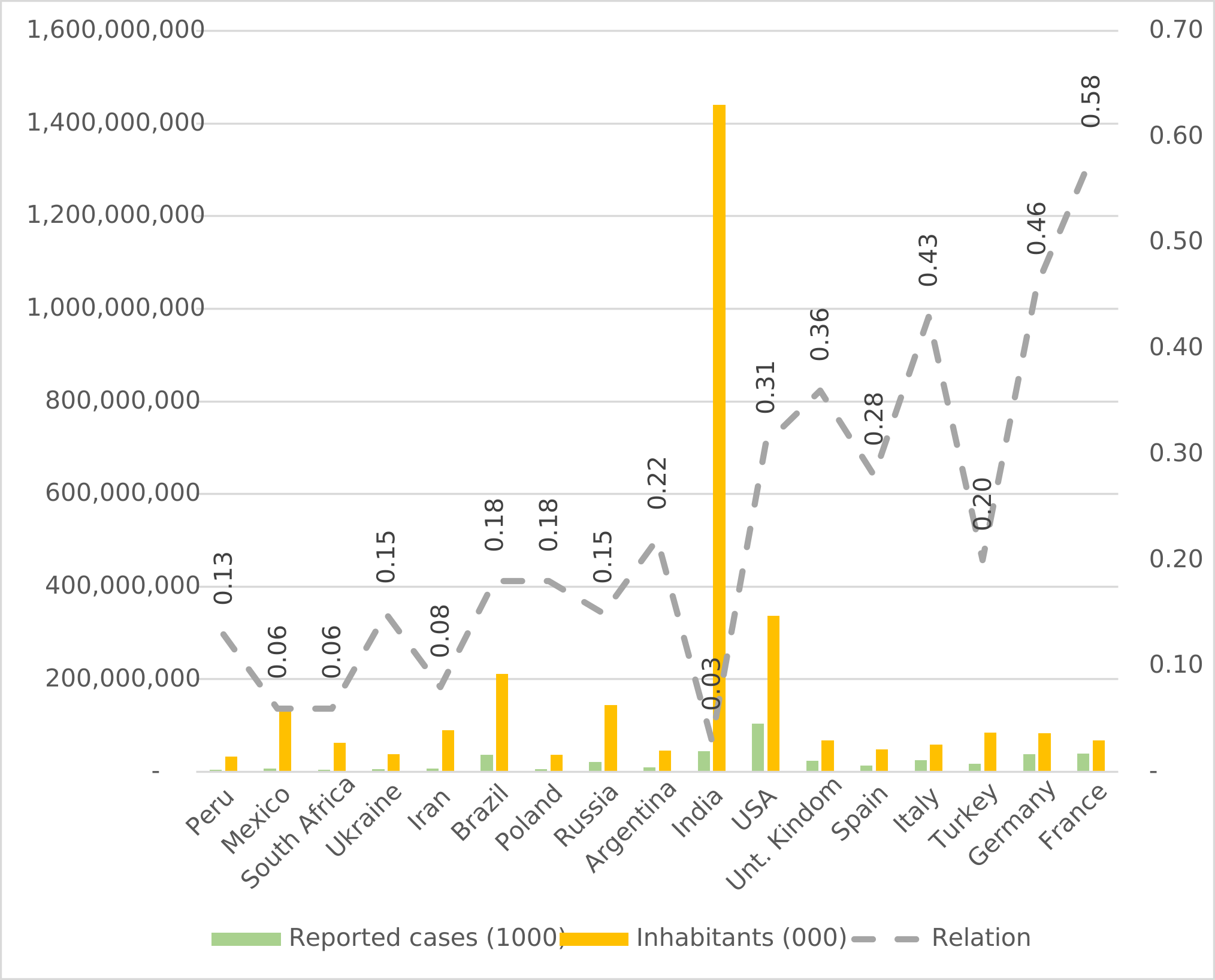
Figure 4. Reported COVID-19 cases relative to population size in selected countries (%) [1,11].
3.2. The counting of excess mortality
By July 2020, six months after the COVID-19 pandemic outbreak in Mexico, when database integration was crucial, most less developed countries faced problems that had accumulated over time. By then, the sanitary authorities of Mexico were under serious pressure from different experts and researchers due to evident discrepancies between the daily figures on deaths released by the SSA and those reported between the first half of 2015 and the end of 2019 in the regions with the highest contagion rates in the country, particularly Mexico City. Consequently, the SSA released the results of an exercise in which excess mortality was counted in 20 of the country's 32 states of the Republic [6]. As shown in the first four numerical columns of Table 1, there was a difference of 71,687 persons considering those who died from January 1 to July 19, 2020, and the historical figures recorded in the same months from 2015--2019 (the table makes its own calculations adjustment to include people aged 19 and under, who were missing in the original SSA figures for the 32 states), implying an expansion factor of 1.55 (national deaths revised over national deaths officially reported).
| Level | Expected | Observed | Excess Deaths * | Obs/Exp Ratio | 32 States (Obs/Exp) ** |
Participaton (%) |
| National | 130,763 | 202,077 | 71,687 | 1.55 | 89,609 (1.68) | 100.0 |
| Gender | ||||||
| Men | 73,041 | 121,085 | 48,044 | 1.66 | 60,055 (1.82) | 67.0 |
| Women | 57,349 | 80,992 | 23,643 | 1.41 | 29,554 (1.34) | 33.0 |
| Age group (years) | ||||||
| 0–19 | n.a. | n.a. | 334 | n.a. | 418 (n.a.) | 0.5 |
| 20–44 | 18,121 | 25,907 | 7,786 | 1.43 | 9,733 (1.54) | 10.9 |
| 45–64 | 32,301 | 63,548 | 31,247 | 1.96 | 39,059 (2.21) | 43.5 |
| 65 + | 72,127 | 104,447 | 32,320 | 1.44 | 40,400 (1.56) | 45.1 |
| * The original states included by the Secretaría de Salud (SSA) were 22: Aguascalientes, Baja California, Baja California Sur, Campeche, Chihuahua, Coahuila, Colima, Mexico City, Guanajuato, Hidalgo, State of Mexico, Morelos, Nuevo León, Puebla, Querétaro, Quintana Roo, San Luis Potosí, Sonora, Veracruz and Zacatecas. ** To include the remaining 10 states, the 1.55 expansion factor reported by SSA for the previous 22 states (Observed/Expected) was applied, considering their share of national COVID-19 deaths (≈ 20 %). *** Obs/Exp = Observed deaths / Expected deaths. n.a. = Not available at this level of analysis. **** Author’s elaboration based on publicly available SSA data. | ||||||
If the missing states of the country are added—some of them are large and are seriously affected by COVID-19, such as Jalisco, Sinaloa, Tabasco, Tamaulipas, Guerrero, Oaxaca, and Chiapas—and the congruence between COVID-19 and the populations of the 22 previous states is maintained, the excess mortality figure increases to 89,609. This number is 2.25 times greater than the number of accumulated deaths from COVID-19 reported until July 19, 2020, by the SSA (39,184), although it could be accepted that, even as mobility was seriously reduced in the country, some people in the excess mortality group died for reasons other than COVID-19. For this reason, when the SSA methodology is adopted and expanded to the countries’ whole population, the expansion factor becomes 1.68. Two-thirds of the deaths were men, one-third were women, 45.1% were 65 years and older, and 43.5% were between 45 and 64 years old. The 11.4% difference corresponds to people aged 0 (unborn) to 44 years. This corroborates the difficulties faced by Mexico's health system, since in other countries, the number of people who died in the early years was proportionally lower and exceptional for those younger than 20 years.
Six months later, INEGI published the document "Characteristics of deaths registered in Mexico from January to August 2020", which stated that “In the period spanning from 2012 to 2019, 488,343 deaths were expected, and from January to August 2020, 673,260 occurred”. Therefore, they calculated an excess mortality from all causes of 184,917, equivalent to 37.9% [8]. Dividing the excess by the number of months relevant to COVID-19 in that period (4.4), a monthly average excess mortality of 41,093 was obtained, which was 2.8 times higher than the 14,640 officially declared COVID-19 deaths, but of course, it refers to all kinds of excess mortality [4]. This figure is substantially higher than the monthly averages recorded between January and August 2020 due to heart disease (17,734), diabetes mellitus (12,467), and malignant tumors (7,553) [8]. Since the worst part of the COVID-19 pandemic was not the first wave (16,626 official deaths average monthly) but the second wave (26,737 official deaths average monthly), the pandemic continued to be the main cause of death.
In March 2021, the media began to disseminate figures from the World Mortality Dataset on excess mortality [25], expressed as the relationship presented in Figure 5, which shows the 30 most affected countries. The estimated excess mortality was divided by the official number of deaths from COVID-19. Although Peru, Bulgaria, Mexico, and Ecuador had the highest death tolls per 10,000 inhabitants, represented by the bars (560, 437, 382, and 380, respectively), those with the highest excess mortality multiplier (total mortality/mortality determined by the trend), represented by the line and graduated on the right axis, corresponded to Russia (4.8), Ecuador (3), Peru (2.7), South Africa (2.6), Ukraine (2.6), Iran (2.4), and Mexico (2.2).
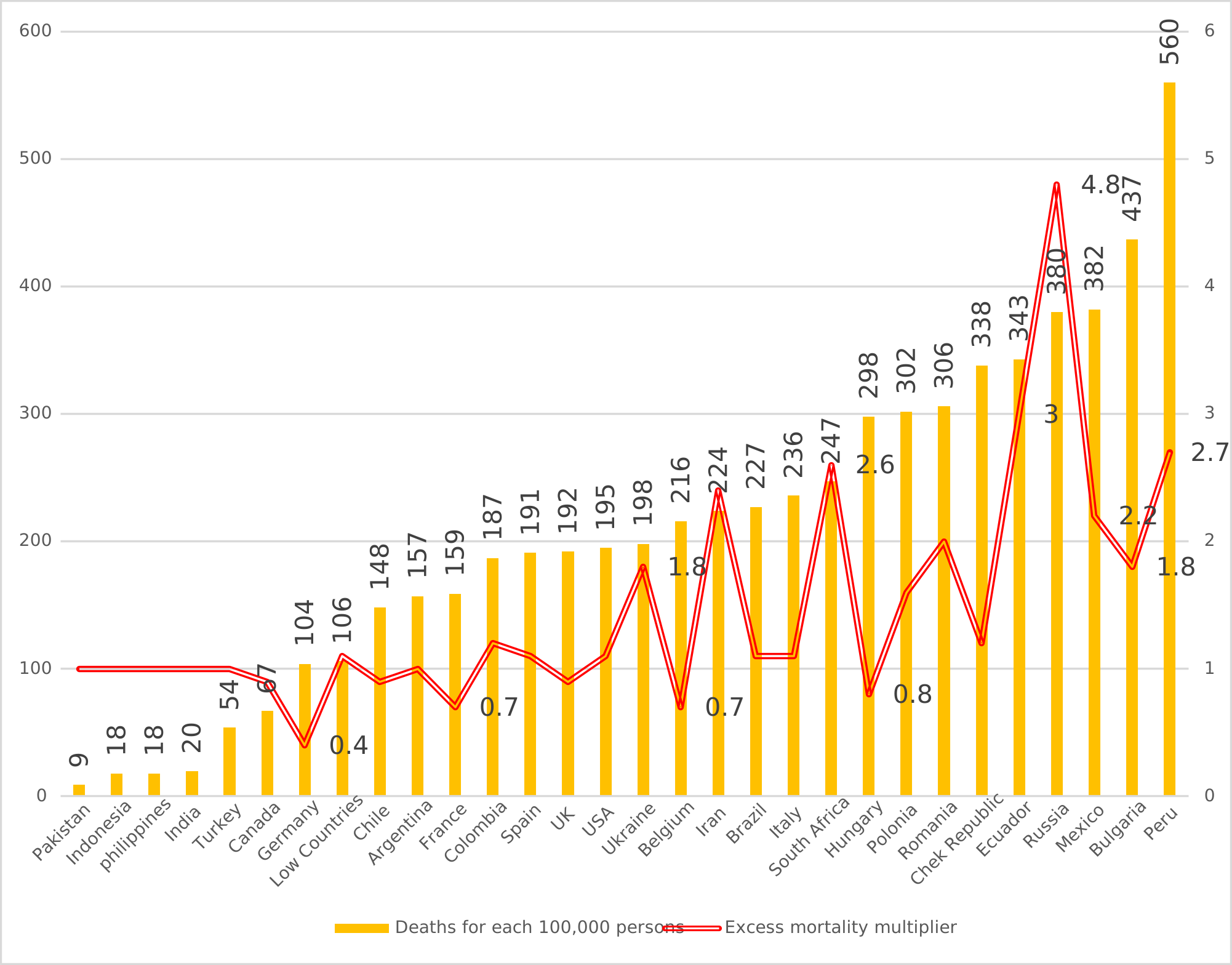
Figure 5. Excess mortality multipliers and COVID-19 deaths per 100,000 inhabitants across the most affected countries as of May 16, 2021 [25].
In a document dated March 2021, the GIEM announced that the statistics on excess mortality for Mexico were updated as of February 13, 2021, starting on December 19, 2019, leading to the following results:
The number of cumulative deaths through February 13, 2021, totaled 1,263,501, and the total number of excess deaths was 417,002.
The total number of deaths associated with COVID-19, according to death certificates, reached 294,287. Therefore, 70.57% of the excess mortality was explained by COVID-19. Importantly, mortality from this cause did not begin on December 19, 2019, but occurred three months later, on March 18, 2020. Therefore, the previous coefficient should have been established by the GIEM at approximately 75%.
This excess was 56.4% for men and 39.7% for women, which is equivalent to a ratio of 1.42 between the two percentages [7].
The range of multipliers calculated at different moments from July 2020 to March 2021 spans from 1.38 (INEGI, August 2020) to 2.2 (WMD, March 2021). These calculations refer to specific periods of time, with national estimates considering only excess mortality for COVID-19 and international estimates including all causes of excess mortality.
Figure 1 presented in the introduction established that the all-cause excess mortality was 736,590 during the entire pandemic. Specifically, 24.62% of the patients had COVID-19, and 3.65% had influenza or pneumonia. Together, these three causes represent 28.27% of excess mortality, as shown in Table 2. In the absence of the COVID-19 pandemic, the all-cause death toll would have reached 2,637,070 from January 2020-December 2022 (column one, row five), the period responsible for 89.2% of the death toll accumulated up to the official end of the pandemic (May 2023: 333,188 deaths) [11]. When COVID-19 is added to the figure (column three), including influenza and pneumonia, excess mortality increases to 3,056,708. The revised death toll, which includes excess mortality, increased to 3,793,298. Under these conditions, the expansion factor for COVID-19 plus those associated with it and masked during the pandemic, influenza and pneumonia, is 1.50. On the other hand, the expansion factor for other causes is only 1.20, indicating that, proportionally, most of the all-cause excess mortality comes from COVID-19, where deaths are most undercounted.
| Cause of Death | Officially Reported Deaths |
Excess Mortality (2020–2022) * |
Revised Death Toll | Expansion Factor ** | Share of Total Excess Mortality (%) |
| All causes | 3,056,708 | 736,590 | 3,793,298 | 1.24 | 100 |
| COVID-19 | 300,912 | 181,320 | 482,232 | 1.6 | 24.62 |
| Influenza & Pneumonia (I&P) | 118,726 | 26,884 | 145,610 | 1.23 | 3.65 |
| COVID-19 + I&P | 419,638 | 208,204 | 627,842 | 1.5 | 28.27 |
| Other causes | 2,637,070 | 528,386 | 3,165,456 | 1.2 | 71.73 |
| * Excess mortality = difference between total observed deaths (2020 – 2022) and the number expected based on 2016 – 2019 trends. ** Expansion factor = Revised death toll / Officially reported deaths. *** Data source: Secretaría de Salud (SSA, 2025) [11,26]. **** Author’s elaboration based on publicly available SSA data. | |||||
3.3. Why were the death toll and the number of infections so high?
The figures reported by the WHO and SSA allow us to infer that during the first six months of the pandemic, the average age of people who died from COVID-19 in Mexico was just over 60 years, whereas it was almost 80 years in countries such as the United Kingdom. Similarly, in Mexico, seven out of 10 deaths were associated with comorbid factors (hypertension, diabetes mellitus, overweight, smoking, chronic obstructive pulmonary disease), whereas the average number of deaths worldwide is eight. This means that some factors other than comorbidities accounted for 14% more deaths in Mexico than in other countries, with the main factors being the following:
The Popular Health Insurance (Seguro Popular), which was in operation from the beginning of the 21st century to 2018, was dismantled, but the body designed to replace it, the Institute of Health for Welfare (INSABI, in Spanish), was by no means positioned. In addition, demographic dynamics and a lack of investment contributed to the population without access to health services increasing from 16.2% in 2018 to 28.2% in 2020 [27] and 40% in 2022 [28].
A complete transformation of the bidding process of medicines for health public sector institutions was carried out, shifting it from them to the Office of the Chief of Staff of the Ministry of Finance and Public Credit (SHCP, in Spanish), with no health sector experience. This is done to combat alleged vices of the past, obtain better prices owing to the volume of purchases, and reduce the excess profits of pharmaceutical companies. This leads to frictions and prolonged periods of shortages [29].
The decision was made not to conclude that a part of the regional hospital infrastructure was pending by the previous administration, which was supposedly associated with corruption.
With few exceptions, the hospitals of the public health system had insufficient and even obsolete medical equipment to meet the challenge of the pandemic and faced strikes and sporadic demonstrations by staff due to inadequate protocols and a lack of work equipment, including professional masks and gloves [30]. At the same time, private hospital personnel spent five months in claims after the first batches of vaccines arrived in Mexico to allow the federal government to authorize the full course of preventive COVID-19 vaccination [31].
The new administration chose to question, as had never happened before, the work and integrity of the scientific community in general, especially that of the health sector, where some staff members were fired at all levels: administrative, nurses, resident doctors and high-level specialists.
There was great slowness in the care of some groups of beneficiaries in critical health conditions who required expensive medicines, particularly those suffering from cancer, HIV-AIDS and heart disease, frequently with fatal consequences.
Although great efforts have been made to increase the number of intensive care beds, as of August 3, 2020, there were only 10,562 beds, which was lower than the number reported in countries with much lower populations and fewer affected by COVID-19, such as Canada, where more than 18,000 beds were reported. Even so, not all of them were ever used, given the practice of maintaining a conservative number of people hospitalized and intubated.
The participation of the scientific community in the solution of the problem was by no means stimulated: in addition to the lack of success of the project in manufacturing Mexican ventilators, the process of the Mexican Patria vaccine to prevent COVID-19, which sought to "promote significant savings in resources for the Treasury" [9], was not consolidated. In contrast, after ensuring massive purchases of vaccines from laboratories recognized by the USA and European governments and having a Swedish British vaccine packed in Mexican territory, supply agreements were sought with India and Cuba, and an agreement was signed with Russia to package them in Mexico. This action did not consider the difficulties for vaccinated Mexican citizens who were about to travel to the USA and Europe.
Financially, the above problems converge to a single point: excessive control of public health sector spending, which was reduced in 2019 and proved insufficient in 2020 to cope with the pandemic. Likewise, considerable and systematic downward deviations were recorded between the budget authorized and that exercised in the areas of purchase of medicines and allocation of resources to INSABI [32].
Faced with the above, by the end of 2020, Mexico was the country in the world with the highest number of health personnel (doctors, paramedics, and administrative staff) who died from COVID-19; something similar happened to domestic workers and public sector oil industry personnel. In the Mexican Institute of Social Security (IMSS), which accounts for the largest number of COVID-19-infected people, seven out of 10 intubated people died as of September 2021. Additionally, for every 100 deaths from COVID-19, 90 children had lost their primary or secondary caregivers who lived with them (244,000 infants in total): mothers, fathers, both, or grandparents. The figure of 90 substantially exceeded those of other countries: India, 87; Colombia, 67; Peru, 60; Russia, 47; Brazil, 46; the USA, 23; the United Kingdom, 9; Indonesia, 56; and Italy, 5 [33].
Given the need for more personnel, as of August 2020, the public health system had temporarily hired approximately 50,000 retired professionals in the field. The first group of approximately 17,000 people began their functions in April under contract with the IMSS; although they were not specialists in respiratory diseases, they were vulnerable to COVID-19 due to age and comorbidities. Temporary contracts were also used to bring 585 physicians from Cuba to the country, who specialized in general medicine, nursing, critical medicine, biomedicine, and epidemiology [34].
3.4. Summary of comparative performance and national outcomes
In March 2023, Mexico established itself as the world’s number 10 in population terms [1], the 19th in terms of accumulated official COVID-19 cases (7,483,444 million) and the 5th in terms of the death toll (333,118) [35]. On this basis, the case fatality rate was 4.5%, which is five times higher than the world average (0.9%) and only less than Peru’s 4.9% in the 18 countries most affected by the COVID-19 pandemic, all with death tolls exceeding 100,000. Obviously, this reflects serious inconsistencies for Mexico, particularly in terms of the denominator (accumulated COVID-19 cases), which was easier to mask by the public health system sending people back home when they were seriously sick. For people dying from COVID-19, the registration process was somewhat more transparent, and even if it was not, the excess mortality count would make evident some of the failures.
During the most critical period of the COVID-19 pandemic, from January 2020–December 2022, when 89.4% of accumulated deaths were registered, excess mortality from all causes rose significantly, as shown in Figure 1. Table 2 shows that 24.6% of this figure was explained by COVID-19, and if excess mortality from influenza and pneumonia was added, because many COVID-19 cases and deaths were masked by them, the figure increased to 28.3%. This implies that the official death toll for COVID-19, including influenza and pneumonia, should be expanded by a factor of 1.5. Similarly, the table shows that if only the partial row of excess mortality for COVID-19 was considered, the expansion factor would be 1.6.
The insufficiency of COVID-19 testing in the public health system was due, first, to a lack of a policy regarding this issue, such as the specialized institution recon [11]; second, to budgetary reasons, such as the government having other priorities; third, to a lack of personnel and infrastructure; and last, to the way in which the system organized itself to attend patients during the pandemic. Importantly, many symptomatic patients were not considered COVID-19 cases; they were sent back home without being followed and attended by public institution personnel, and many of them died there. Others managed to recuperate by isolation from the rest of their family and using a medicine kit provided at a certain cost by most private physicians.
Under these circumstances, from the beginning of the pandemic, the last-resort policy carried out by the government was massive COVID-19 vaccination, which started in January 2021. As of March 2023, 225 million vaccines have been administered, an average of 1.75 vaccines per person, although not all the population but 77.5% of it has received at least one dose [11].
4. Conclusions
The lack of precision in the figures on infections and deaths released daily by the country's health authorities is evident and was not corrected until the intervention of INEGI, which verified death certificates, and the reconciliation carried out by the GIEM. Once undercounting is recognized, both for ethical and statistical reasons, the entire series of case fatality rates should be reviewed, as it is clear that the underestimation of infections (the denominator) is greater than that of deaths (the numerator).
Although approximately 25% of the excess mortality from January 2020 to December 2022 was officially attributed to COVID-19—whereas initial studies in 2021 estimated a figure of 70% considering the reduced mobility imposed by the pandemic—the official series on cases, deaths, and case fatality rates have remained unchanged, with only minor daily adjustments.
These figures should be corrected for at least two key reasons. First, they misinform the public about the real outcomes of the pandemic, hindering social understanding of its impact. Second, they risk leading the health system to underestimate the potential magnitude of future sanitary crises.
Finally, restructuring of the public health sector must be completed as soon as possible. The federal budget allocated to health must be significantly increased, and the resources originally assigned to the healthcare system must be used fully for that purpose rather than redirected to other institutions.
Author contributions
The author himself wrote and revised the manuscript.
Publication history
| Received | Revised | Accepted | Published |
| 23 October 2024 | 23 September 2025 | 04 November 2025 | 31 December 2025 |
Funding
This research received no specific grant from the public, commercial, or not-for-profit funding agencies.
Ethics statement and consent to participate
Not applicable.
Consent to publication
Not applicable.
Data availability
Publicly available datasets were analyzed in this study. These data can be found here: United Nations (UN), National Institute of Statistics and Geography (INEGI, in Spanish), Ministry of Health of Mexico (SSA, in Spanish), Johns Hopkins University, and World Mortality Dataset.
Acknowledgements
None.
Conflicts of interest
The author declares no conflicts of interest.
Copyright
© 2025 The Author(s). This is an open access article distributed under the terms of the Creative Commons Attribution (CC BY) License. The use, distribution, or reproduction in other forums is permitted, provided the original author(s) and the copyright owner(s) are credited and that the original publication in this journal is cited, in accordance with accepted academic practice. No use, distribution or reproduction is permitted which does not comply with these terms.
Publisher's note
Logixs Journals remains neutral concerning jurisdictional claims in its published subject matter, including maps and institutional affiliations.