


- Abstract
- Keywords
- Introduction
- Methods
- Results
- Discussion
- Conclusions
- Abbreviations
- Author contributions
- Publication history
- AI disclosure
- Funding
- Trial registration
- Ethics statement
- Consent to publication
- Data availability
- Acknowledgements
- Conflicts of interest
- Copyright
- Publisher's note
- References
Knowledge and practices related to biomedical waste management among personnel of biomedical analysis laboratories in Kinshasa, Democratic Republic of Congo: a cross-sectional analytical study
Published: 16 November 2026
Volume 5
Abstract
Biomedical waste management remains a persistent public health problem in low-income settings, and diagnostic laboratories are relatively neglected sources of such waste. This study assessed the knowledge and self-reported practices of personnel working in biomedical analysis laboratories in Kinshasa and examined the factors associated with the segregation of waste at the source. A cross-sectional study with an analytical component was conducted from October to December 2024 in the laboratories of 13 hospitals located across the four districts of Kinshasa. Data were collected from 362 laboratory staff members through direct observation and a structured, interviewer-administered questionnaire. Proportions were compared with the Pearson chi-square test, and crude odds ratios (ORs) with 95% confidence intervals (CIs) were calculated. Among the 362 participants, 194 (53.6%) were men, 130 of 356 (36.5%) were older than 40 years, and 244 of 348 (70.1%) were laboratory technicians. In all, 258 participants (71.3%) had never received in-service training on biomedical waste management. Waste was not segregated at the source by 262 participants (72.4%), and color coding was not applied by 289 (79.8%). A dedicated storage area was reported by 265 of 352 participants (75.3%), but 254 (70.2%) did not know the permitted storage time, 231 of 344 (67.2%) reported no dedicated means of transport, and 253 of 350 (72.3%) reported no organized treatment system. Only 3 participants (0.8%) reported any means of quantifying waste. Fewer than 20% of those who answered could name the color code for infectious waste or for waste handled as household waste. Segregation differed widely across facilities (0% to 61.5%; p < 0.001), was more frequent among men (OR 1.94, 95% CI 1.21–3.14), and was strongly associated with recent training: 79.2% of staff trained within the previous year segregated waste, compared with 17.5% of those trained one to four years earlier and 13.0% of those trained five or more years earlier (p < 0.001). Biomedical waste management in these laboratories falls short of accepted standards at every step of the chain. Routine quantification of waste, a reliable supply of color-coded containers, documented transport and treatment routes, and regular refresher training are the most immediate priorities.
Keywords
Clinical laboratory personnel; Democratic Republic of the Congo; Health knowledge, attitudes, practice; Medical waste disposal; Occupational exposure
1. Introduction
Health systems around the world are expanding and diversifying, with public and private providers operating side by side. These facilities generate several kinds of waste, including infectious, sharp, chemical and radioactive waste [1,2]. Biomedical waste (BMW) comprises all solid or liquid waste produced by diagnostic, monitoring, preventive, curative or palliative activities in human and veterinary medicine [3]. The World Health Organization (WHO) estimates that approximately 85% of the waste generated by health care activities is comparable to household waste and has no particular hazard, whereas the remaining 15% is hazardous [4]. This distinction determines how each waste stream must be handled and treated. The quantity of waste generated by health care facilities, including biomedical analysis laboratories, depends on the national income level and on the types of facilities and services involved, and estimating it is a prerequisite for rational disposal and for planning the containers, transport and treatment capacity that will be needed [5,6].
Sound management of BMW involves four steps: segregation at the source, collection and storage, packaging and transport, and safe final disposal [7]. When these steps breakdown, biological, physical, chemical and radioactive risks follow [8,9,10,11], with consequences for staff health and for the environment, particularly through air and water pollution [12,13].
Biomedical analysis laboratories hold a particular place in this chain. They concentrate blood, body fluids, culture media and sharps in a small working area; they generate chemical waste from reagents and stains, and their waste is handled by a small and specialized workforce. Even so, most published assessments from sub-Saharan Africa have examined hospitals as a whole. Studies from Ethiopia [14], Cameroon [15] and the Democratic Republic of Congo (DRC) [16,17] have documented poor segregation and limited training in health facilities, but few have described what happens inside the laboratory itself, and fewer still have followed laboratory waste from segregation through final disposal.
Regardless of which disposal method is adopted, laboratory staff need regular training if procedures are to be respected at every step. Such training should cover the waste management plan, the risks involved, protective measures, the responsibilities of each staff category, and the technical instructions specific to their work [18]. In Kinshasa, hospital laboratories serve large patient volumes, yet little is known about how waste is handled inside them or about which characteristics of laboratory staff are associated with safe practices. This study was therefore undertaken to describe the knowledge and self-reported practices of personnel working in biomedical analysis laboratories in the city-province of Kinshasa and to identify factors associated with the segregation of waste at the source.
2. Methods
2.1. Study design
This was a cross-sectional study with an analytical component conducted between October and December 2024. It is reported in line with the STROBE statement for cross-sectional studies.
2.2. Study setting and population
The study was conducted in the biomedical analysis laboratories of 13 hospitals located across the four districts of the city-province of Kinshasa: Cliniques Universitaires de Kinshasa, Centre Hospitalier Universel Renaissance, Hôpital Kimbanguiste de Kinshasa, Hôpital CBCO Bandalungwa, Hôpital Militaire Central, Centre Hospitalier Saint Joseph, Hôpital Roi Baudouin, Hôpital Général de Référence de Ngaba, Centre Hospitalier de Monkole II, Hôpital Général de Référence de Makala, Centre Hospitalier d'Etat Mama Pamela Delargy, Clinique Kinoise and Hôpital Marie Biamba Mutombo. These facilities were selected purposively because of their high patient attendance, and together, they include public, faith-based, military and private hospitals.
The study population comprised laboratory personnel, namely, physicians and medical biologists, laboratory technicians, hospital hygiene workers assigned to the laboratory, and cleaning staff. Staff who did not give consent were not included.
2.3. Sample size
The minimum sample size was calculated with the following formula for estimating a single proportion:
| n ≥ Z2 (p)(q)/d2 | (1) |
where n is the minimum sample size; Z is the standard normal deviation at the 95% confidence level (1.96); p is the anticipated proportion of providers with good knowledge of biomedical waste management, taken as 34% [19]; q is the complementary proportion (1 − p); and d is the absolute precision (0.05).
These values gave a minimum sample size of 345 participants. The figure was increased by 5% to allow for nonresponse (345 × 1.05), yielding a target of 362 participants, which was reached. Staff were recruited in each laboratory during the survey period, and the number of participants per laboratory ranged from 4 to 73 (Table 3).
2.4. Data collection
Data were collected in two ways. The investigator observed waste handling directly in each laboratory, including the containers in use, segregation and color coding at workstations, and the storage area. In addition, a structured questionnaire was administered to each participant through face-to-face interviews. It covered sociodemographic and professional characteristics; training received; knowledge of BMW, its classification, color coding and environmental risks; each step of waste management (segregation, collection and storage, packaging, transport, and treatment or disposal); quantification of the waste produced; occupational risks and their management; and vaccination status. The interviews lasted approximately 50 minutes on average.
2.5. Operational definitions
Segregation at the source was recorded as practiced when infectious and noninfectious waste were placed in separate containers at the point where they were generated. Color coding was recorded as applied when the containers in use were differentiated by color according to waste category. Knowledge of the color code was judged against the scheme recommended for health care facilities, in which infectious waste and sharps go into yellow containers and waste that can be handled as household waste into black containers [18].
2.6. Statistical analysis
Data were processed and analyzed with STATA IC 18 (StataCorp, College Station, TX, USA), and a do-file was used for data cleaning. Categorical variables are presented as frequencies and percentages. Percentages were calculated on the number of participants who answered each item, and the denominator is reported for every item. For items that allowed more than one answer, percentages were calculated on the basis of the number of participants who answered the item and therefore summed to more than 100%. Proportions were compared with the Pearson chi-square test without continuity correction. For the comparison between facilities, which involved small expected counts, the result was confirmed with a Monte Carlo exact test based on 100,000 permutations. Crude odds ratios (ORs) with 95% confidence intervals (CIs) were calculated for each covariate, with the first category used as a reference. Statistical significance was set at p ≤ 0.05.
2.7. Ethical considerations
The research protocol was approved by the Ethics Committee of the School of Public Health, University of Kinshasa (approval number ESP/CE/54/2022). Only laboratory staff who freely provided informed consent were recruited. Participants were informed of the nature of the study, and all the data were handled anonymously and confidentially.
3. Results
3.1. Characteristics of participants
3.1.1. Sociodemographic and professional profile
The participant characteristics are shown in Table 1. The responses were not complete for every item; thus, the denominators varied between the variables. Item nonresponse ranged from none to 79 participants and was highest for the knowledge items on color coding (36 missing) and environmental risk (79 missing).
In total, 194 of the 362 participants (53.6%) were men, for a male-to-female ratio of 1.15. Among the 356 who reported their age, 130 (36.5%) were older than 40 years, and of the 356 who reported their professional experience, 131 (36.8%) had worked for 5 to 9 years. Laboratory technicians formed the largest occupational group (244 of 348; 70.1%).
In-service training on BMW management was never received by 258 participants (71.3%). Of the 104 who had been trained, 24 (23.1%) had attended a session within the previous 12 months, 57 (54.8%) between one and four years earlier, and 23 (22.1%) five or more years earlier. These 104 participants reported 147 training topics, of which good practices in BMW management accounted for 62 (42.2%), legislative and regulatory aspects and risks along the disposal chain for 33 (22.4%), waste management equipment for 12 (8.2%), and the responsibilities of health professionals for 7 (4.8%).
| Characteristic | n (%) | |
| Sex (n = 362) | Male | 194 (53.6) |
| Female | 168 (46.4) | |
| Age group, years (n = 356) | < 30 | 99 (27.8) |
| 30–40 | 127 (35.7) | |
| > 40 | 130 (36.5) | |
| Professional experience, years (n = 356) | < 5 | 111 (31.2) |
| 5–9 | 131 (36.8) | |
| ≥ 10 | 114 (32.0) | |
| Qualification (n = 348) | Physician or medical biologist | 41 (11.8) |
| Laboratory technician | 244 (70.1) | |
| Hospital hygiene worker | 29 (8.3) | |
| Cleaning staff | 34 (9.8) | |
| In-service training on BMW management (n = 362) | Yes | 104 (28.7) |
| No | 258 (71.3) | |
| Time since last training (n = 104) | < 1 year | 24 (23.1) |
| 1–4 years | 57 (54.8) | |
| ≥ 5 years | 23 (22.1) | |
| Training topics (147 responses from 104 participants) * | Good practice in BMW management | 62 (42.2) |
| Legislative and regulatory aspects | 33 (22.4) | |
| Risks along the disposal chain | 33 (22.4) | |
| Waste management equipment | 12 (8.2) | |
| Responsibilities of health professionals | 7 (4.8) | |
| Abbreviation: BMW, biomedical waste. * More than one topic could be reported; percentages are calculated for the 147 responses. Denominators below 362 reflect item nonresponse. | ||
3.1.2. Distribution of participants by health facility
The distribution of participants across the 13 laboratories is shown in Figure 1. The greatest numbers of participants were from Cliniques Universitaires de Kinshasa (73; 20.2%), Centre Hospitalier Universel Renaissance (58; 16.0%) and Hôpital Kimbanguiste de Kinshasa (50; 13.8%), and the smallest were from Hôpital Marie Biamba Mutombo (4; 1.1%).
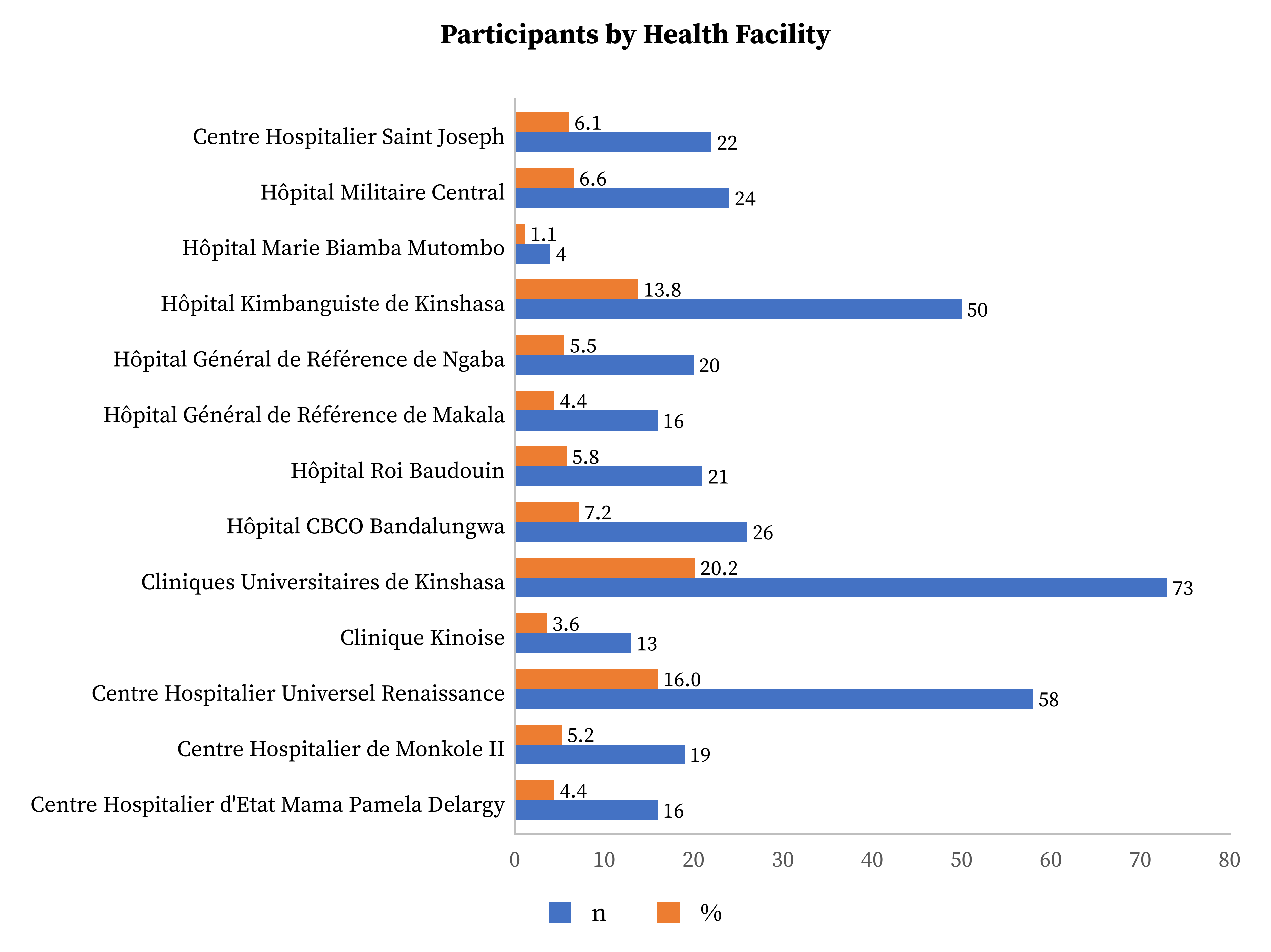
Figure 1. Distribution of participants by health facility (n = 362).
3.1.3. Laboratory departments represented
The distribution of participants by laboratory department is shown in Figure 2. Most participants worked in the bacteriology department (40.0%), followed by the cyto-hematology (26.0%), immuno-hematology (13.5%), parasitology (13.5%), biochemistry (5.1%) and pathology (1.9%) departments.
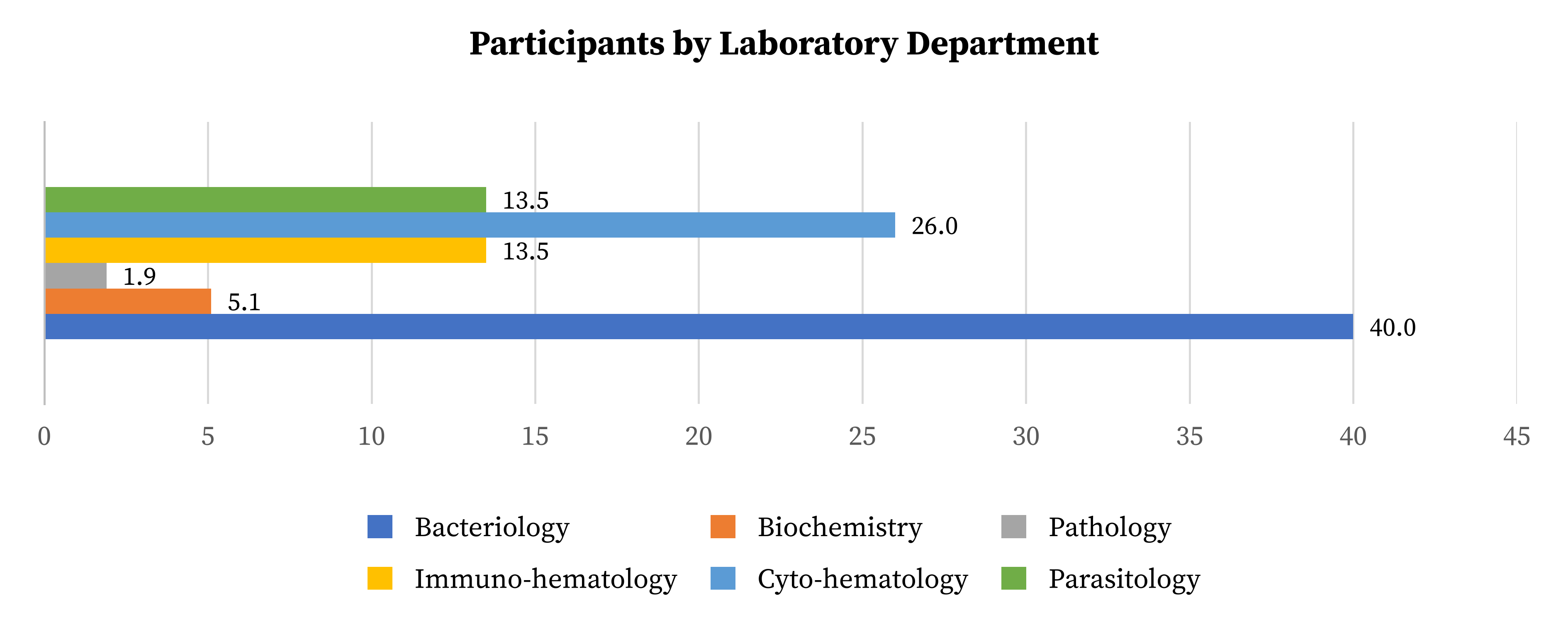
Figure 2. Distribution of participants by laboratory department (%).
3.2. Biomedical waste management practices
3.2.1. Waste management chain
Table 2 summarizes the practices at each step of the waste management chain. All the participants reported that their laboratory produced both infectious waste (gloves, needles, syringes and other sharps) and noninfectious waste. Waste was not segregated at the source by 262 of the 362 participants (72.4%), and color coding was not applied by 289 (79.8%). A dedicated storage area was reported by 265 of the 352 participants who answered this item (75.3%). The maximum permitted storage time was not known to 254 participants (70.2%), while 91 (25.1%) reported that waste was held for 24 hours or more and 17 (4.7%) for less than 24 hours.
A dedicated means of transporting waste was not available for 231 of 344 participants (67.2%), and 253 of 350 (72.3%) reported that no organized treatment system was in place. Among the 97 who reported such a system, 55 (56.7%) stated that waste was pretreated before disposal. Of the 138 treatment methods reported, incineration accounted for 105 (76.1%), open burning for 16 (11.6%), recycling for 9 (6.5%) and landfill for 8 (5.8%). Only 3 participants (0.8%) reported any means of quantifying the waste their laboratory produced.
| Step of the Waste Chain | n (%) | |
| Waste produced (n = 362) | Infectious waste (gloves, needles, syringes, other sharps) | 362 (100) |
| Noninfectious waste | 362 (100) | |
| Segregation at source (n = 362) | Practiced | 100 (27.6) |
| Not practiced | 262 (72.4) | |
| Color coding (n = 362) | Applied | 73 (20.2) |
| Not applied | 289 (79.8) | |
| Dedicated storage area (n = 352) | Available | 265 (75.3) |
| Not available | 87 (24.7) | |
| Maximum storage time before removal (n = 362) | < 24 hours | 17 (4.7) |
| ≥ 24 hours | 91 (25.1) | |
| Not known | 254 (70.2) | |
| Dedicated means of transport (n = 344) | Available | 113 (32.8) |
| Not available | 231 (67.2) | |
| Organized treatment system (n = 350) | In place | 97 (27.7) |
| Not in place | 253 (72.3) | |
| Pretreatment before disposal (n = 97) | Yes | 55 (56.7) |
| No | 42 (43.3) | |
| Treatment method reported (138 responses) * | Incineration | 105 (76.1) |
| Open burning | 16 (11.6) | |
| Recycling | 9 (6.5) | |
| Landfill | 8 (5.8) | |
| Any means of quantifying waste (n = 362) | Yes | 3 (0.8) |
| No | 359 (99.2) | |
| * More than one method could be reported; percentages are calculated on the basis of the 138 responses. Denominators below 362 reflect item nonresponse. | ||
3.2.2. Segregation by health facility
The segregation of waste at the source in each facility is shown in Table 3. Segregation differed markedly across facilities (χ² = 114.41, df = 12, p < 0.001; Monte Carlo exact p < 0.001). It was reported by more than half of the staff at Hôpital CBCO Bandalungwa (16 of 26; 61.5%), Cliniques Universitaires de Kinshasa (41 of 73; 56.2%) and Centre Hospitalier de Monkole II (10 of 19; 52.6%), whereas no participants at Centre Hospitalier Universel Renaissance, Hôpital Kimbanguiste de Kinshasa or Hôpital Militaire Central reported segregating waste.
| Health Facility | Participants (n) | Segregation, n (%) |
| Cliniques Universitaires de Kinshasa | 73 | 41 (56.2) |
| Centre Hospitalier Universel Renaissance | 58 | 0 (0.0) |
| Hôpital Kimbanguiste de Kinshasa | 50 | 0 (0.0) |
| Hôpital CBCO Bandalungwa | 26 | 16 (61.5) |
| Hôpital Militaire Central | 24 | 0 (0.0) |
| Centre Hospitalier Saint Joseph | 22 | 1 (4.5) |
| Hôpital Roi Baudouin | 21 | 8 (38.1) |
| Hôpital Général de Référence de Ngaba | 20 | 5 (25.0) |
| Centre Hospitalier de Monkole II | 19 | 10 (52.6) |
| Centre Hospitalier d'Etat Mama Pamela Delargy | 16 | 8 (50.0) |
| Hôpital Général de Référence de Makala | 16 | 4 (25.0) |
| Clinique Kinoise | 13 | 6 (46.2) |
| Hôpital Marie Biamba Mutombo | 4 | 1 (25.0) |
| Total | 362 | 100 (27.6) |
| Difference between facilities: χ² = 114.41, df = 12, p < 0.001 (Monte Carlo exact test, 100,000 permutations: p < 0.001). | ||
3.3. Knowledge of biomedical waste, color coding and environmental risks
The participants’ knowledge is summarized in Table 4. With respect to what they understood as waste, 262 of 362 participants (72.4%) described it as an unusable residue, 204 (56.4%) as something to be thrown away, 192 (53.0%) as filth and 13 (3.6%) as a useless and worthless object. Few could expand the French acronyms used for waste categories in the DRC: 26 participants (7.2%) correctly expanded the DAS (health care waste), 25 (6.9%) the DMP (medical and pharmaceutical waste), 20 (5.5%) the DAOM (waste similar to household waste) and 19 (5.2%) the DASRI (infectious health care waste).
Among the 326 participants who answered the color-coding items, 265 (81.3%) could not name a color for infectious waste, and only 23 (7.1%) named it yellow; 266 (81.6%) could not name a color for waste handled as household waste, and 51 (15.6%) named it black; and 316 (96.9%) could not name a color for anatomical waste. Among the 283 participants who answered the item on environmental risk, 276 (97.5%) cited air pollution, and 156 (55.1%) cited water and river pollution.
| Knowledge Item | n | % | |
| Meaning of waste (n = 362) * | Unusable residue | 262 | 72.4 |
| Something to be thrown away | 204 | 56.4 | |
| Filth | 192 | 53.0 | |
| Useless and worthless object | 13 | 3.6 | |
| French waste-category acronym correctly expanded (n = 362) | Health care waste (DAS) | 26 | 7.2 |
| Medical and pharmaceutical waste (DMP) | 25 | 6.9 | |
| Waste similar to household waste (DAOM) | 20 | 5.5 | |
| Infectious health care waste (DASRI) | 19 | 5.2 | |
| Color code named for infectious waste (n = 326) | Yellow ** | 23 | 7.1 |
| Red | 31 | 9.5 | |
| Black | 7 | 2.1 | |
| Does not know | 265 | 81.3 | |
| Color code named for waste handled as household waste (n = 326) | Black ** | 51 | 15.6 |
| Blue | 4 | 1.2 | |
| Yellow | 3 | 0.9 | |
| Green | 2 | 0.6 | |
| Does not know | 266 | 81.6 | |
| Color code named for anatomical waste (n = 326) | Yellow | 6 | 1.8 |
| Black | 4 | 1.2 | |
| Does not know | 316 | 96.9 | |
| Environmental risk cited (n = 283) * | Air pollution | 276 | 97.5 |
| Pollution of water and rivers | 156 | 55.1 | |
| Other | 7 | 2.5 | |
| Participants were asked to expand the French acronyms used for these waste categories in the DRC (shown in parentheses). * More than one answer was allowed. ** Color recommended for this category. Colors not named by any participant are omitted. Denominators below 362 reflect item nonresponse. | |||
3.4. Occupational risk and its management
Findings on occupational risk, injuries, protective equipment and vaccination are shown in Table 5. HIV infection was identified as transmissible through BMW by 287 participants (79.3%), hepatitis by 226 (62.4%), enteric infection by 117 (32.3%) and pneumonia by 96 (26.5%). The cutaneous route of transmission was cited by 194 (53.6%), the blood-borne route by 134 (37.0%), the airborne route by 19 (5.2%) and the oral route by 15 (4.1%).
A sharp or splash injury in the laboratory was reported by 30 participants (8.3%). In terms of what should be done after such an injury, 318 (87.8%) named rinsing with water, 311 (85.9%) serological testing, 278 (76.8%) medical consultation and 245 (67.7%) rinsing with a bleach solution. Only 31 participants (8.6%) knew of a register for reporting occupational accidents. All the participants reported that gloves were available, while laboratory coats were reported by 312 (86.2%), masks by 299 (82.6%), boots by 243 (67.1%) and aprons by 196 (54.1%). Only 116 participants (32.0%) reported having received any vaccination.
| Item (n = 362) | n | % | |
| Conditions identified as transmissible through BMW * | HIV infection | 287 | 79.3 |
| Hepatitis | 226 | 62.4 | |
| Enteric infection | 117 | 32.3 | |
| Pneumonia | 96 | 26.5 | |
| Other | 34 | 9.4 | |
| Route of transmission cited | Cutaneous | 194 | 53.6 |
| Blood-borne | 134 | 37.0 | |
| Airborne | 19 | 5.2 | |
| Oral | 15 | 4.1 | |
| Sharps or splash injury reported | Yes | 30 | 8.3 |
| No or not reported | 332 | 91.7 | |
| Action to take after an injury * | Rinsing with water | 318 | 87.8 |
| Serological testing | 311 | 85.9 | |
| Medical consultation | 278 | 76.8 | |
| Rinsing with a bleach solution | 245 | 67.7 | |
| Register of occupational accidents known to exist | Yes | 31 | 8.6 |
| No | 331 | 91.4 | |
| Personal protective equipment available * | Gloves | 362 | 100 |
| Laboratory coat | 312 | 86.2 | |
| Mask | 299 | 82.6 | |
| Boots | 243 | 67.1 | |
| Apron | 196 | 54.1 | |
| Any vaccination received | Yes | 116 | 32.0 |
| No | 246 | 68.0 | |
| BMW, biomedical waste. * More than one answer was allowed. All percentages are calculated for the full sample of 362 participants. | |||
3.5. Difficulties reported by participants
The difficulties reported by participants are shown in Figure 3. The difficulties cited most often were a shortage of qualified hygiene personnel (295 participants; 81.5%), a lack of personal protective equipment (276; 76.2%) and a lack of training (185; 51.1%).
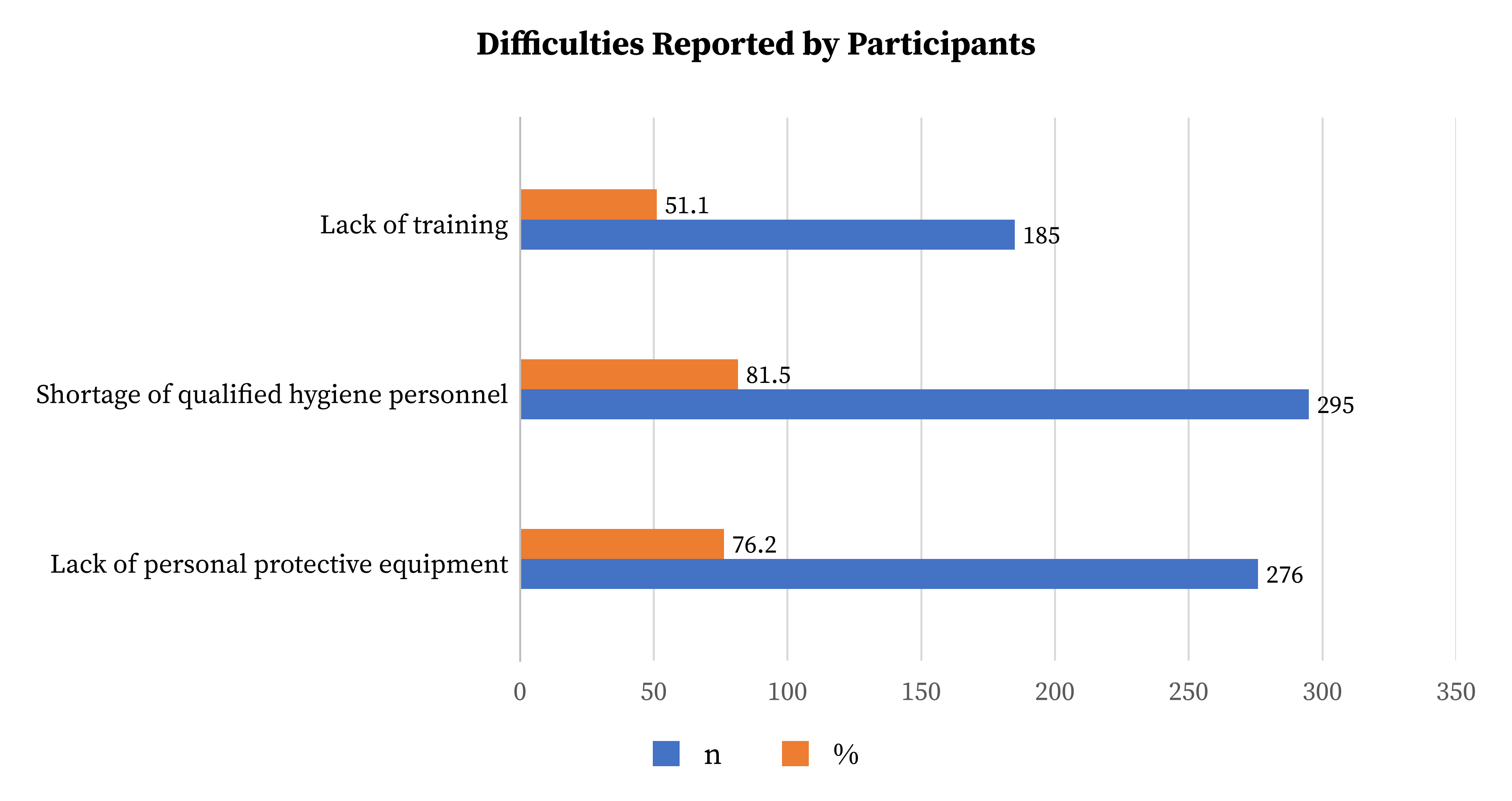
Figure 3. Difficulties reported by participants (n = 362; more than one answer allowed).
3.6. Factors associated with segregation at the source
The factors associated with the segregation of waste at the source are presented in Table 6. Men reported segregating waste more often than women did (33.9% versus 20.8%; OR 1.94, 95% CI 1.21–3.14; p = 0.006). Segregation decreased with age, from 35.4% among participants younger than 30 years to 22.3% among those older than 40 years, but the overall association with age was not statistically significant (p = 0.093). Among the 104 participants who had been trained, segregation was strongly related to how recently training had taken place: it was reported by 19 of 24 (79.2%) trained within the previous year, compared with 10 of 57 (17.5%) trained one to four years earlier (OR 0.06, 95% CI 0.02–0.19) and 3 of 23 (13.0%) trained five or more years earlier (OR 0.04, 95% CI 0.01–0.19) (p < 0.001).
| Variable | Segregation, n/N (%) | Crude OR (95% CI) | χ² (df) | p Value | |
| Sex (n = 360) | Female | 35/168 (20.8) | 1.00 (reference) | 7.57 (1) | 0.006 * |
| Male | 65/192 (33.9) | 1.94 (1.21–3.14) | |||
| Age group, years (n = 356) | < 30 | 35/99 (35.4) | 1.00 (reference) | 4.74 (2) | 0.093 |
| 30–40 | 36/127 (28.3) | 0.72 (0.41–1.27) | |||
| > 40 | 29/130 (22.3) | 0.53 (0.29–0.94) | |||
| Time since last training (n = 104) ** | < 1 year | 19/24 (79.2) | 1.00 (reference) | 34.46 (2) | < 0.001 * |
| 1–4 years | 10/57 (17.5) | 0.06 (0.02–0.19) | |||
| ≥ 5 years | 3/23 (13.0) | 0.04 (0.01–0.19) | |||
| n/N (%), number practicing segregation out of the number of participants in the category; OR, odds ratio; CI, confidence interval; df, degrees of freedom. Pearson chi-square test without continuity correction; * p ≤ 0.05. ** Participants who had received in-service training. Denominators below 362 reflect item nonresponse. | |||||
4. Discussion
This study revealed that biomedical waste was poorly managed at every step of the chain in the laboratories surveyed. Most staff members did not segregate waste at the source or apply color coding; few knew the color coding scheme, and almost no participants reported any means of quantifying waste, while most reported no dedicated transport or organized treatment system. Vaccination coverage was low, most staff had never received in-service training, and those trained recently were far more likely to segregate waste. These findings are discussed below in the order in which the results are presented: participants and their training, the waste management chain, knowledge, occupational risk, the difficulties reported, and the factors associated with segregation.
4.1. Participants and training coverage
Men made up 53.6% of the participants. A male predominance has also been reported in Mali [20] and, in Kinshasa, by Kemfine et al. [16], whereas studies from Ethiopia [14] and Cameroon [15] have reported the opposite. These differences most likely reflect how individual laboratory workers have been recruited. More than one-third of the participants were older than 40 years, and almost one-third had at least ten years of experience. Laboratory technicians accounted for 70.1% of the participants, in contrast to the predominance of physicians reported by Kemfine et al. [16], whose study covered an entire referral hospital rather than its laboratory.
The most important workforce finding is the training deficit. Almost three-quarters of the participants (71.3%) had never received in-service training on BMW management, and more than three-quarters of those who had been trained had last attended a session more than one year earlier. Similar deficits have been reported from Bamako [21,22], and a study in southern Benin identified the lack of training among staff handling health care waste as a principal constraint on safe management [23]. The WHO regards awareness of the hazards of health care waste, together with training in safe practice, as fundamental to changing behavior among everyone involved in waste handling [4], and continuing professional training is known to help workers keep their skills current [24]. The present data are consistent with that view. Among trained staff, segregation fell from 79.2% in those trained within the previous year to 13.0% in those trained five or more years earlier. If this reflects a genuine effect of training, a single induction session is unlikely to be enough, and refresher training at least once a year may be needed to sustain safe practices. Because the design is cross-sectional, the direction of this association cannot be established; staff already committed to good practices may, for example, be more likely to be sent for training.
4.2. Waste management chain
Every laboratory in this study produced both infectious and noninfectious waste, so segregation is unavoidable if the two streams are to be handled differently. In practice, waste was not segregated at the source by 72.4% of the participants, and color coding was not applied by 79.8%. Similar segregation failures have been reported from Bamako [22], whereas studies from the DRC [16] and Côte d'Ivoire [25,26] revealed that most respondents segregated waste at the source and by type. The findings on color coding are close to those reported from Dakar [27]. The wide variation between facilities, from no segregation at all in three hospitals to more than half of the staff in three others, indicates that the problem is largely institutional and that good practices are achievable in this setting. Several explanations for poor segregation are plausible, including the absence of written procedures and shortages of bags and safety boxes, but these were not measured in this study.
A dedicated storage area was reported by 75.3% of the participants, which compares favorably with findings from Bamako [22]. That infrastructure is of limited value, however, when 70.2% of staff members do not know how long waste may be held before removal, two-thirds report no dedicated means of transport, and 72.3% report no organized treatment system. Incineration was the method reported most often (76.1%), as in most hospitals in high-, middle- and low-income countries. Open burning, reported in 11.6% of cases, is the least acceptable of the options described because it produces uncontrolled emissions at low temperature [28,29].
The most consequential gap identified is the near-total absence of waste quantification: only 0.8% of participants reported any means of measuring what their laboratory produced. Without quantification, a laboratory cannot size its containers, set a collection frequency, plan treatment capacity or demonstrate compliance with any standard. Quantification is also the least expensive measure available, requiring little more than a scale at the point of collection and a register. For these reasons, it should come first among the actions recommended, ahead of more costly improvements to transport and treatment.
4.3. Knowledge of biomedical waste, color coding and environmental risks
Knowledge of BMW was uneven and, in several areas, poor. Fewer than 8% of participants could correctly expand any of the four abbreviations tested, and more than 80% of those who answered could not name the color code for infectious waste or for waste handled as household waste. This is consistent with the low rate at which color coding was actually applied (20.2%), since staff cannot code waste according to a scheme they do not know. Awareness of environmental risk, by contrast, was high, with 97.5% citing air pollution. Poorly managed waste can contaminate water, block drainage channels, spread disease and worsen respiratory illness through open burning [28,29]. The contrast is informative: awareness of the consequences of poor waste management does not appear to be the main constraint, whereas knowledge of the operational scheme does. Training should therefore concentrate on the classification and color coding scheme itself and on equipment and staff responsibilities, which accounted for only 8.2% and 4.8% of the training topics reported, respectively.
4.4. Occupational risk and its management
Viral infections are the conditions most often cited as transmissible through BMW, followed by bacterial and other infections [30], and the participants in this study most often named HIV infection and hepatitis. Knowledge of what to do after an injury was high, as was the availability of basic protective equipment such as gloves, laboratory coats and masks, in line with the findings of Endris et al. [14] and Deress et al. [31]. Knowledge of transmission routes was more variable: only 37.0% cited the blood-borne route, which is the main route of occupational infection in laboratories.
Vaccination coverage was low, with only 32.0% of participants reporting any vaccination, although hepatitis B vaccination is recommended and, in many countries, is mandatory for health care workers [32,33,34,35]. Occupational accident reporting was also weak. Only 8.6% of participants knew of a reporting register; thus, the 8.3% who reported an injury are unlikely to reflect the true frequency. Improving vaccination coverage and injury reporting would cost little compared with the consequences of a single occupational infection.
4.5. Difficulties reported by participants
The shortages of hygiene staff, protective equipment and training reported by participants mirror the barriers described elsewhere in the region. A systematic review of 17 Ethiopian studies revealed that a lack of awareness among health care staff, a lack of appropriate waste management equipment and weak enforcement by regulatory bodies were the factors shared by most facilities [8], and training gaps were the principal constraints identified in southern Benin [23]. That the same problems recur across different health systems suggests that they are structural rather than individual failings and that staff are unlikely to overcome them on their own. They point to three institutional actions: assigning dedicated hygiene staff to the laboratory, ensuring a continuous supply of color-coded containers and protective equipment, and including refresher training in the annual laboratory work plan.
4.6. Factors associated with segregation at the source
Segregation was more frequent among men and much more frequent among staff trained within the previous year. The association with sex should be interpreted with caution: the effect was modest, no mechanism was measured, and sex may be confounded by occupational category, which could not be examined in this analysis. The association with recent training is stronger and more consistent with the wider literature. Insufficient training has been identified as a major determinant of poor medical waste management in Tanzania [36] and Egypt [37], and the WHO stresses that initial and continuing training for all health workers involved is essential for safe waste management [4]. The lack of a significant association with age, together with the steep decline in segregation with time since training, suggests that how recently staff have been trained matters more than how long they have worked.
4.7. Strengths and limitations
This study covered all four districts of Kinshasa and included public, faith-based, military and private laboratories. It combined direct observation with staff interviews, examined knowledge and practices, and followed waste through every step of the management chain, from segregation to final treatment.
This study has several limitations. First, most practice variables were self-reported and are therefore subject to social desirability bias, which tends to overstate good practices; the deficits described here are, if anything, conservative. Second, the questionnaire was not formally validated, and no reliability testing was reported. Third, the 13 facilities were selected purposively because of their high patient attendance; staff were not selected by a probability method, and the number of eligible staff per laboratory was not documented; thus, a response rate cannot be calculated, and the findings may not apply to smaller laboratories, rural areas or other provinces. Fourth, item nonresponse was substantial for some questions. Fifth, for several covariates (professional experience, qualification and in-service training status) and for all analyses of color coding, the available cross-tabulations could not be reconciled with the overall outcome totals; therefore, these comparisons were not reported. Sixth, the analysis is bivariate, and the odds ratios are unadjusted. Finally, no waste was weighed, and the cross-sectional design cannot establish the direction of the associations observed.
5. Conclusions
Biomedical waste management in the biomedical analysis laboratories of Kinshasa falls short of accepted standards at every step of the chain. Waste was not segregated at the source by 72.4% of the participants, and color coding was not applied by 79.8%; two-thirds of the staff reported no dedicated means of transport, and 72.3% reported no organized treatment system; open burning remained in use, and almost no participants reported that their laboratory quantified the waste it produced. Most staff had never been trained, and among those who had, recent training was associated with much better segregation.
These findings support four practical priorities, offered as recommendations rather than as interventions evaluated in this study: routine weighing and recording of waste at the point of collection; a reliable supply of color-coded containers together with a written and displayed classification scheme; a documented transport and treatment route for each laboratory; and refresher training on BMW management at least once a year for all laboratory staff, including hygiene and cleaning personnel. Whether these measures improve practice in this setting should be tested prospectively.
Abbreviations
BMW: Biomedical waste
CI: Confidence interval
DAOM: Waste similar to household waste (déchets assimilables aux ordures ménagères)
DAS: Health care waste (déchets d’activités de soins)
DASRI: Infectious health care waste (déchets d’activités de soins à risques infectieux)
df: Degrees of freedom
DMP: Medical and pharmaceutical waste (déchets médicaux et pharmaceutiques)
DRC: Democratic Republic of Congo
HIV: Human immunodeficiency virus
OR: Odds ratio
STROBE: Strengthening the Reporting of Observational Studies in Epidemiology
WHO: World Health Organization
Author contributions
Conceptualization, CK; methodology, AM and PC; validation, AM, PC, and MN; formal analysis, BKu, AM, PC, and BKa; investigation, CK, PC, AK, JM, and BKa; resources, BKu and MN; data curation, CK; writing—original draft, CK, BKu, GB, AM, PC, AK, JM, and MN; writing—review and editing, BKu, AM, and BKa; visualization, JM; supervision, CK; project administration, CK and MN. All authors have read and agreed to the published version of the manuscript.
Publication history
| Received | Revised | Accepted | Published |
| 26 March 2026 | 01 November 2026 | 13 November 2026 | 16 November 2026 |
Use of generative AI and AI-assisted technologies
The authors declare that no generative AI or AI-assisted technologies were used in the preparation of this work.
Funding
This research received no specific grant from the public, commercial, or not-for-profit funding agencies.
Trial registration
Not applicable.
Ethics statement and consent to participate
The research protocol was approved by the Ethics Committee of the School of Public Health, University of Kinshasa (approval number ESP/CE/54/2022).
Consent to publication
Data availability
The data supporting this study's findings are available from the corresponding author, Gédéon Bongo, upon reasonable request.
Acknowledgements
None.
Conflicts of interest
The authors declare no conflicts of interest.
Copyright
© 2026 The Authors. This is an open access article distributed under the terms of the Creative Commons Attribution (CC BY) License.